
💇♀️✂️ Government-Funded Hairdressing Training Courses (U.S.) — A Regulated Pathway Into the Beauty Industry
For individuals in the United States seeking a structured entry into the hairdressing field without taking on high cosmetology school tuition, government-funded training courses are becoming an increasingly practical option.
These programs are designed within public workforce development frameworks, aligning training with licensing standards while lowering financial barriers. Rather than informal salon learning or short beauty workshops, participants follow regulated instruction pathways that lead to recognized professional qualifications.
💡 What Makes Government-Funded Training Different?
Government-funded hairdressing programs typically include:
• Structured curriculum aligned with state licensing requirements
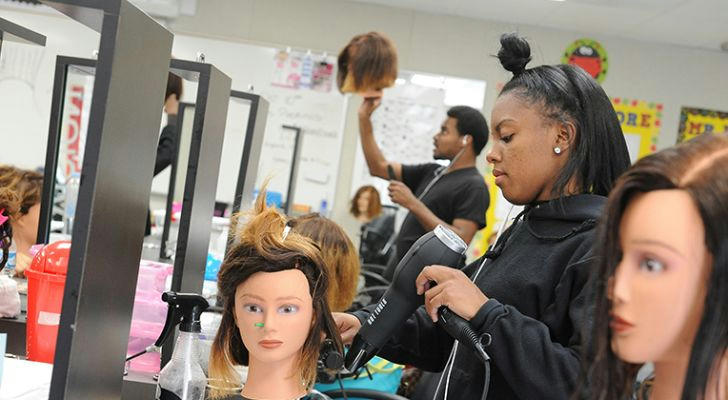
• Supervised salon-based practical training
• Documented training hours and competency assessments
• Instruction in sanitation, safety, and compliance standards
• Oversight by approved training providers or workforce bodies
Many operate through registered apprenticeships or public vocational education systems, ensuring transparency and legal recognition.
🏛️ Why Government Alignment Matters
Publicly supported programs help ensure training quality and credential credibility through:
• Approved education providers
• Workforce agency monitoring
• Licensing board recognition
• Transferable credentials across regions
This structure supports long-term employability rather than short-term skill exposure.
📊 Career Outlook in the U.S.
According to labor market data, hairdressers and cosmetologists remain in steady demand nationwide:
• ~80,000–90,000 job openings annually
• Median pay: ~$16.81–$30.44/hour (tips excluded)
• Annual earnings: ~$35,000–$63,000+
In metropolitan markets such as California and New York, experienced professionals may exceed $55,000/year, with progression into senior stylist roles, salon management, or independent business ownership.
✂️ Core Skills Covered
Training programs commonly include:
• Hair cutting and styling techniques
• Coloring and chemical services
• Hair treatments and finishing
• Client consultation skills
• Hygiene and workplace safety
• Salon operations and ethics
The focus remains hands-on, job-ready competence.
👥 Who Enrolls?
Government-funded hairdressing training appeals to:
• Career starters avoiding student debt
• Adults balancing income and education
• Career changers from service industries
• Learners seeking licensed professions
• Individuals preferring practical training pathways
Funding structures reduce upfront financial pressure, making entry more accessible.
👤 Age Trends
• 18–24: Early career entry without tuition burden
• 25–34: Credential building alongside living costs
• 35–44: Structured career transition pathway
• 45+: Workforce re-entry with formal recognition
📈 Why Interest Is Rising
Growing demand is linked to:
• Rising private cosmetology tuition
• Skilled-trade workforce initiatives
• Employer preference for regulated training
• Credential portability across regions
📝 How Application Works
Typical steps include:
1️⃣ Locate an approved workforce or apprenticeship program
2️⃣ Confirm eligibility (18+, U.S. work authorization)
3️⃣ Submit application
4️⃣ Attend interview/assessment if required
5️⃣ Begin training upon acceptance
Many applicants receive placement decisions within weeks.
💇♀️ Training Provider Example
Empire Beauty School, with campuses across multiple states, offers cosmetology and hairdressing programs featuring:
• Hands-on salon training
• Hybrid learning formats
• Student clinic experience
• Beauty specialty tracks
• Career support resources
✅ Key Takeaway
Government-funded hairdressing training combines affordability, regulated instruction, and recognized credentials — creating a credible pathway into the licensed beauty profession for U.S. learners in 2026.