
Fraser Health Health Career Access Program HCAP
Earn While You Train | Entry-Level Friendly | Health Care Career Path
Starting a health care career without prior experience can feel uncertain, especially when education and income are both concerns. Through Fraser Health’s Health Career Access Program (HCAP), participants can begin in a paid entry role earning around $21 per hour while preparing for formal Health Care Assistant training. After certification, Health Care Assistants in British Columbia often earn $50,000+ per year, with higher earnings possible through seniority, union wage grids, shift premiums, and full-time hours.
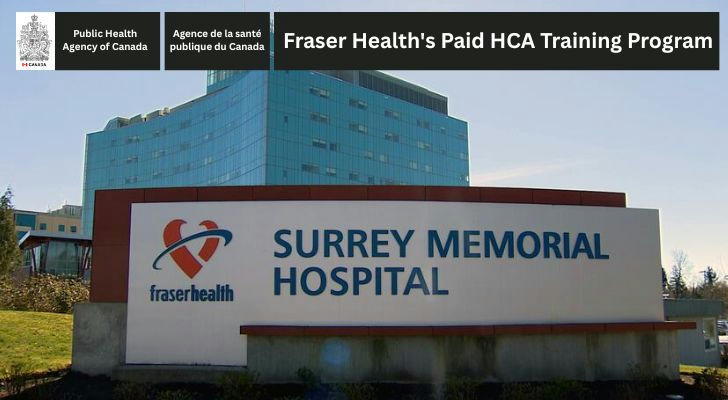
This employment-based pathway allows individuals to gain workplace experience first, then transition into structured education leading to recognized HCA credentials.
Program Highlights
💰 Income During the Entry Stage – Participants are hired into paid Health Care Support Worker roles before formal schooling begins.
📘 Structured Learning Path – Employment experience is followed by recognized post-secondary HCA training.
🚫 No Prior Medical Background Required – Designed for individuals new to the health care field.
📈 Long-Term Career Stability – Health Care Assistants remain in strong demand across British Columbia.
🏥 Employer-Linked Training – Education is connected directly to health authority employment needs.
🏫 How the Training Pathway Works
Participants move step-by-step from entry-level support work into certified care roles.
Step 1 – Employment as a Health Care Support Worker
New hires start in a non-clinical support position within care facilities. Duties may include assisting with meals, preparing supplies, maintaining safe environments, and supporting care teams.
Step 2 – Workplace Experience & Evaluation
Supervisors assess reliability, communication skills, and readiness for more responsibility. Strong performance at this stage is key to progressing.
Step 3 – Post-Secondary HCA Training
Eligible workers are enrolled in a recognized Health Care Assistant education program that includes classroom instruction and supervised clinical placements.
Step 4 – Certification & Registry
Graduates qualify to register with the BC Care Aide & Community Health Worker Registry, allowing them to work as certified HCAs.
Step 5 – Ongoing Employment
After certification, workers transition into direct patient care roles and continue building experience within the health system.
🌟 Why This Pathway Works for Beginners
📚 Learning Comes After Workplace Exposure – Participants gain confidence in care environments before entering formal training.
🏥 Hands-On Experience Early On – Real-world exposure helps build comfort with patient interaction.
🌍 Multiple Care Settings – Work may take place in long-term care, assisted living, or community care environments.
🤝 Supportive Team Structure – Entry-level roles work under supervision, making it easier to learn gradually.
👩⚕️ What a Health Care Assistant Does
After completing training and certification, HCAs typically provide:
Assistance with mobility and daily routines
Support with personal hygiene and comfort
Observation and reporting of changes in condition
Help maintaining a safe and respectful care environment
These roles are essential in supporting seniors and patients who require ongoing assistance.
##🧭 Age Range & Strengths in HCA Career Pathways
| Age Group | Typical Background | Strengths in HCA Training & Work |
|---|---|---|
| 🌱 18–25 | First career step | Fast learners · Adaptable · Building long-term careers |
| 🌼 26–35 | Career builders | Team-oriented · Goal-focused · Balanced work and study |
| 🌻 36–45 | Career changers or returning parents | Patient · Responsible · Strong time management |
| 🌺 46–55 | Seeking stable work | Reliable · Calm under pressure · Strong communication |
| 🌳 56+ | Community-oriented workers | Compassionate · Life experience · Supportive presence |
This pathway is open to adults from many backgrounds who are prepared for hands-on care work.
📝 How to Start
1️⃣ Submit an application through the Fraser Health careers system for HCAP-related roles
2️⃣ If selected, begin working as a Health Care Support Worker
3️⃣ Gain workplace experience and meet program readiness expectations
4️⃣ Enter HCA education when scheduled
5️⃣ Complete certification and move into a registered HCA position
✅ Final Takeaway
The HCAP route provides a gradual transition into the health care field:
💵 Entry through paid support work
📘 Structured move into formal HCA education
🎓 Recognized certification leading to direct care roles with strong earning potential
For individuals without prior experience, this step-by-step approach offers a practical way to build skills, credentials, and long-term employment in the health sector.