
🐾 Cat Food Assistance Program for Low-Income Families and Seniors
Caring for a cat brings joy and emotional support to many households. For families with limited income and seniors on fixed budgets, feeding a pet can become a tough decision when everyday living costs rise. Cat food assistance programs step in to reduce this pressure, helping ensure cats stay with their owners through difficult times.
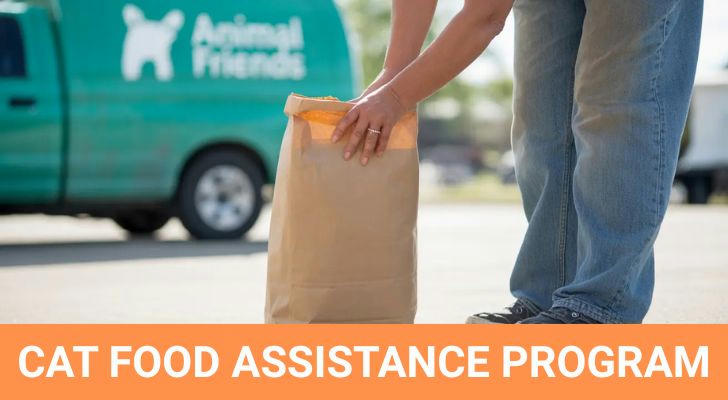
Why This Support Matters
Rising expenses make budgeting harder for those with limited income. Seniors living on fixed retirement pay and families navigating tight budgets often face choices between essential items like rent, medicine, and pet care.
Animals provide emotional stability, especially for older adults living alone. Access to reliable cat food sources can help maintain that companionship without forcing owners to give up their pets due to financial challenges.
Major Assistance Programs & Organizations
Here are several well-known programs and community resources that support pet food access for qualifying households:
⭐ Nationwide and Broad-Reach Programs
• Pet Food Stamps (Online Resource) – An online platform where qualifying individuals can apply for regular cat food shipments.
📍 Offers distribution across the United States and links to eligibility guidelines.
• Meals on Wheels Pet Program – Works with home delivery services for seniors, bringing cat food along with meal deliveries to homebound participants.
📍 Especially helpful for older adults who cannot easily visit distribution sites.
• Pets of the Homeless – Focuses on supporting pet owners experiencing homelessness or crisis situations, providing supplies and pet food through partner agencies.
☎️ National hotline connects visitors to local resources.
Local Organizations With Strong Community Reach
🐾 Humane Society Pet Food Banks
Multiple local Humane Society branches run pet food pantries that help families and seniors meet feeding needs without long application processes. 📍 These services typically ask for identification and proof of difficulty.
For example:
• Kentucky Humane Society reopened its pet food bank offering a monthly bag of cat or dog food per household, supported by partnerships with national donors.
• Hopkins County Humane Society and other Kentucky county humane groups provide supplemental pet food resources to eligible residents.
City and County Pet Food Pantries
📦 Sacramento SPCA PAW Pantry
In Sacramento, a pet pantry program helps qualifying households through a scheduled pickup system linked to local income assistance programs. 📍 Applicants must enroll and can collect pre-packaged food during designated hours.
📍 Sonoma County Humane Pet Food Pantry
The Sonoma County humane association operates multiple locations where pet owners can obtain cat food and other supplies, with periodic pop-up events. 📍 Locations include shelters and mobile clinics in Sonoma County, California.
🐾 Los Angeles Animal Services Pet Food Pantry
In Los Angeles, an animal services center runs a pet food pantry that supports residents facing economic pressure. 📍 Participants provide basic pet details and may receive food at designated service centers throughout the city.
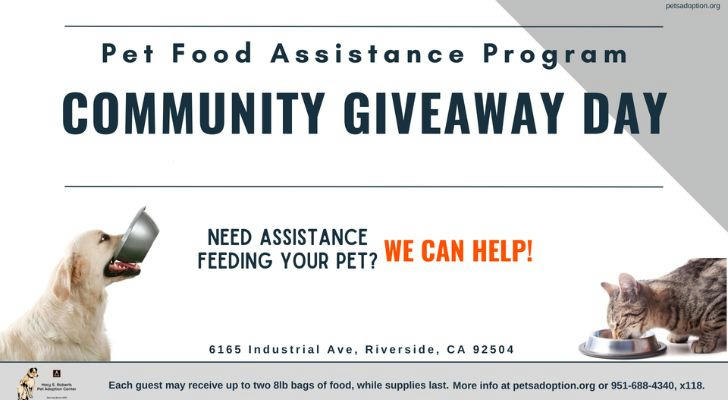
How to Apply for Cat Food Assistance
Applying for cat food assistance is usually straightforward, especially through community-based programs and partner organizations. While requirements may vary by location, most applications follow similar steps.
✅ Common Application Steps
• 📍 Find a Local Program
Search for pet food pantries, humane society branches, or senior support programs operating in the local area. Many city or county animal services pages list active assistance locations.
• 📄 Prepare Basic Documents
Programs often request simple verification, such as:
• Proof of household income or financial hardship
• Participation in assistance programs like SNAP or EBT
• Valid identification and basic pet information
• 🕰 Check Distribution Schedules
Some locations offer monthly pickup days, while others operate on appointment-based or first-come schedules. Seniors receiving meal deliveries may qualify for combined drop-off services.
• 📞 Contact the Organization Directly Calling or emailing the program can help confirm eligibility, pickup times, and available supplies before visiting in person.
Impact on Families and Seniors
• 🐱 Maintained Pet Companionship – Reduces the number of animals surrendered due to inability to cover food costs.
• 💟 Reduced Emotional Stress – Knowing feeding needs are addressed brings stability during financial hardship.
• 🏠 Stronger Community Support – Local pantries and humane programs create networks that connect people with additional resources beyond pet food.
A Practical Lifeline in Tough Times
Cat food support channels fill a real need for households where food costs compete with rent, medical bills, and other essentials. By connecting with national, regional, and local assistance networks, households can find dependable help that allows cats to stay in loving environments even when budgets are tight.